Calm breathing
Slow, gentle breathing that can help you feel calmer.
Time: About 5 minutesLevel: Gentle Can be done sitting
Display settings
Module 3 of 10
What physical literacy means, what moving does for you, eating well for less, and simple ways to feel calmer.
Listen to this moduleAbout 10 minutes
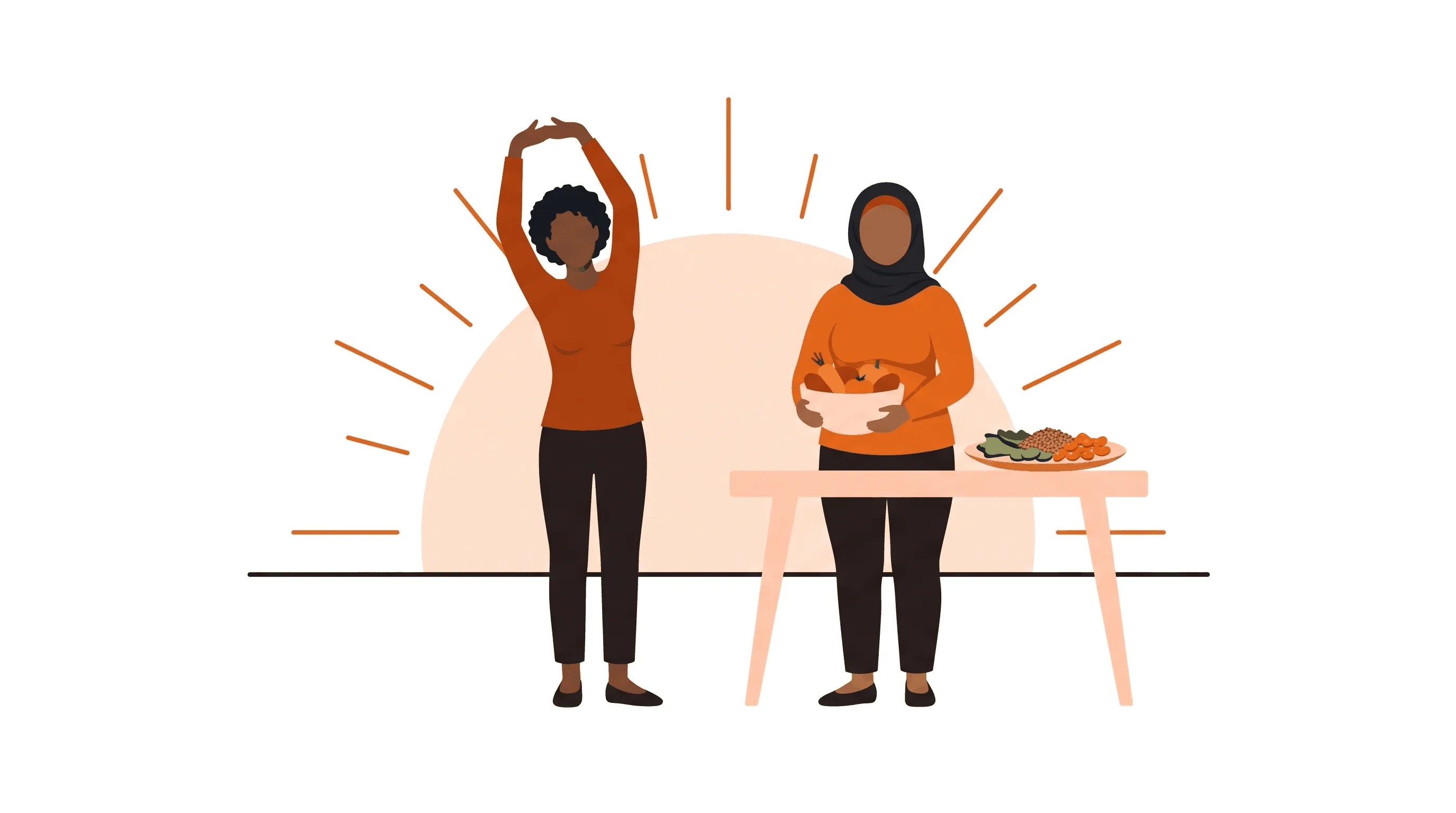
Download MP3 (4.6 MB)This module explains a few simple ideas about moving, eating and feeling calmer. There are four parts. Each one takes about 5 minutes to read.
You can start with any part.
Part 1 of 4
Sport England (opens in a new tab) is the public body for sport in England. It describes physical literacy like this: "Physical literacy is our relationship with movement and physical activity throughout life."
These are Sport England's words. They are not covered by this toolkit's licence.
Here, literacy is not about reading and writing. It is about your own relationship with moving and being active.
It is different for every woman. It can change and grow at any age.
Balance means staying steady when you stand, walk or reach. You use it when you carry a child or step onto a bus.
Coordination means making parts of your body work together. You use it when you clap in time to music or roll out dough.
Your body and your mind are linked. Being active can help you feel calmer and sleep better.
Everyone starts from their own place. Small steps help your physical literacy grow.
Part 2 of 4
Being active is good for your body and your mind. It is not about how your body looks.
Being active can:
It may also help you keep a healthy weight, together with the food you eat.
Being active does not replace medical care. If you have a health problem, keep seeing your doctor. Read who should talk to a health professional first.
Any movement is better than none. If you are not active now, start small. Add a little more over time.
Adults should try to be active for 150 to 300 minutes a week. 150 minutes is about 30 minutes on 5 days.
This kind of activity makes your heart beat faster and you breathe faster. You can still talk, but you cannot sing.
You can split it into short parts. Even a few minutes count.
On 2 or more days a week, do something to make your muscles stronger. Try the strength exercises.
Try to sit less. Moving instead of sitting helps, even gentle movement.
Part 3 of 4
There is no one right way to eat well. You can make healthy meals with the foods you already know.
Food is also about family, culture and joy. Take time to enjoy your meals.
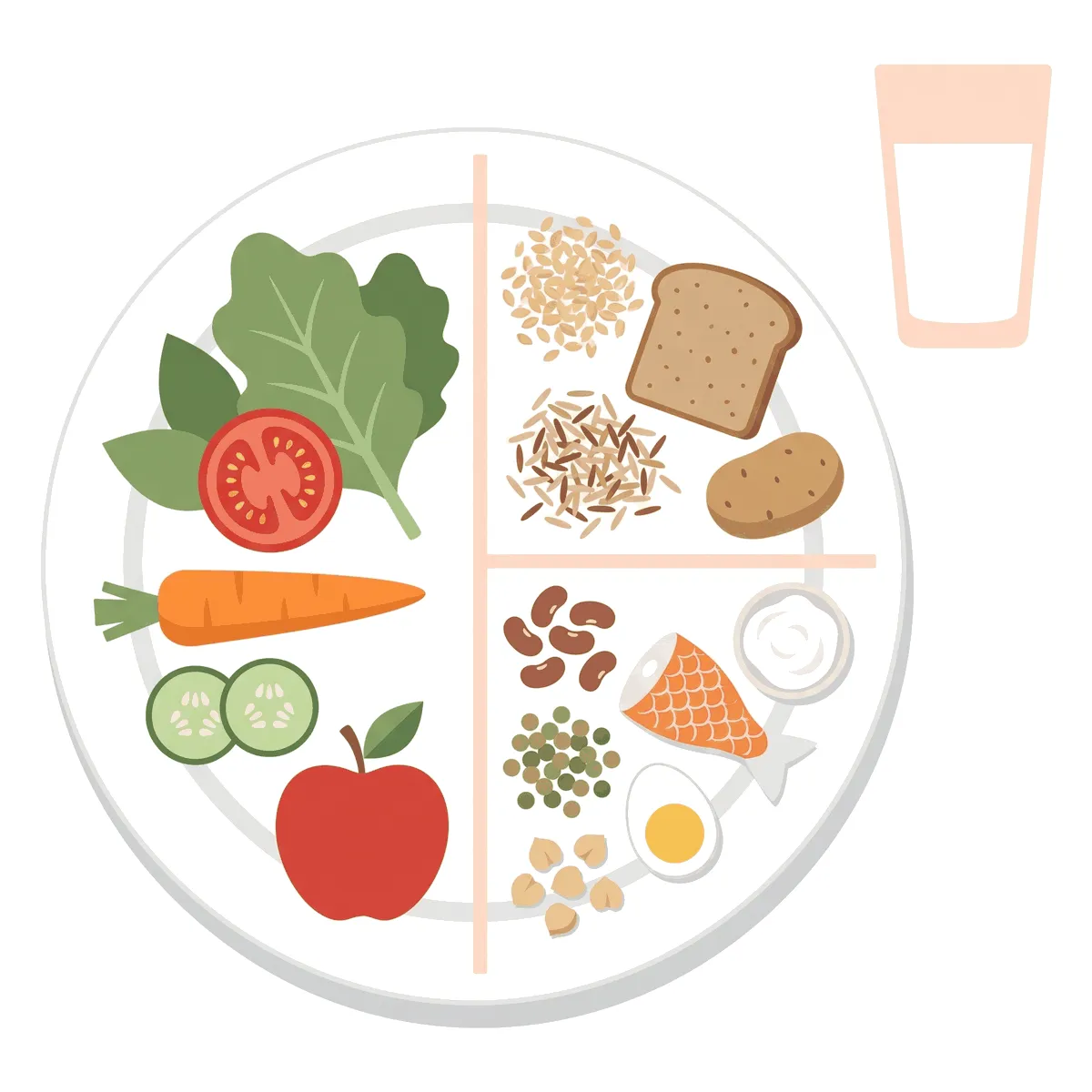
A simple guide for a meal:
Choose wholegrain kinds of the breads and grains you already eat.
Use less salt. Add herbs and spices for flavour.
Cook with oils like olive, rapeseed or sunflower oil more often than with butter or ghee.
A round plate seen from above.
Water is a healthy and cheap drink. Choose it instead of sweet drinks.
Try to drink 6 to 8 glasses a day. Water, milk, and tea or coffee without sugar all count.
Drink more when it is hot, or when you sweat while you are active.
If a doctor or nurse has told you to drink less, follow their advice.
If you fast, for example in Ramadan:
Talk to your doctor or midwife before you fast if you are pregnant or breastfeeding. Do the same if you have a health problem or take medicine.
Read how to move safely.
No. For gentle exercise, your usual meals and water are enough. You do not need sports drinks or powders for this.
Part 4 of 4
Stress is a feeling of worry or tension when life is hard. Everyone feels stress sometimes. It can make it hard to sleep, and you may eat more or less than usual.
Being active can help reduce stress. Moving will not make your problems go away. But it can make strong feelings a little easier to handle.
Slow, gentle breathing that can help you feel calmer.
Time: About 5 minutesLevel: Gentle Can be done sitting
A short break to notice how you feel and come back to the moment.
Time: About 1 minuteLevel: Gentle Can be done sitting
You can also listen to them: calm breathing and one-minute pause.
Mindfulness means paying attention to what is happening inside you and around you, moment by moment. The one-minute pause is a short way to try it.
Slow stretching can help your body relax. Try these, and breathe slowly as you move:
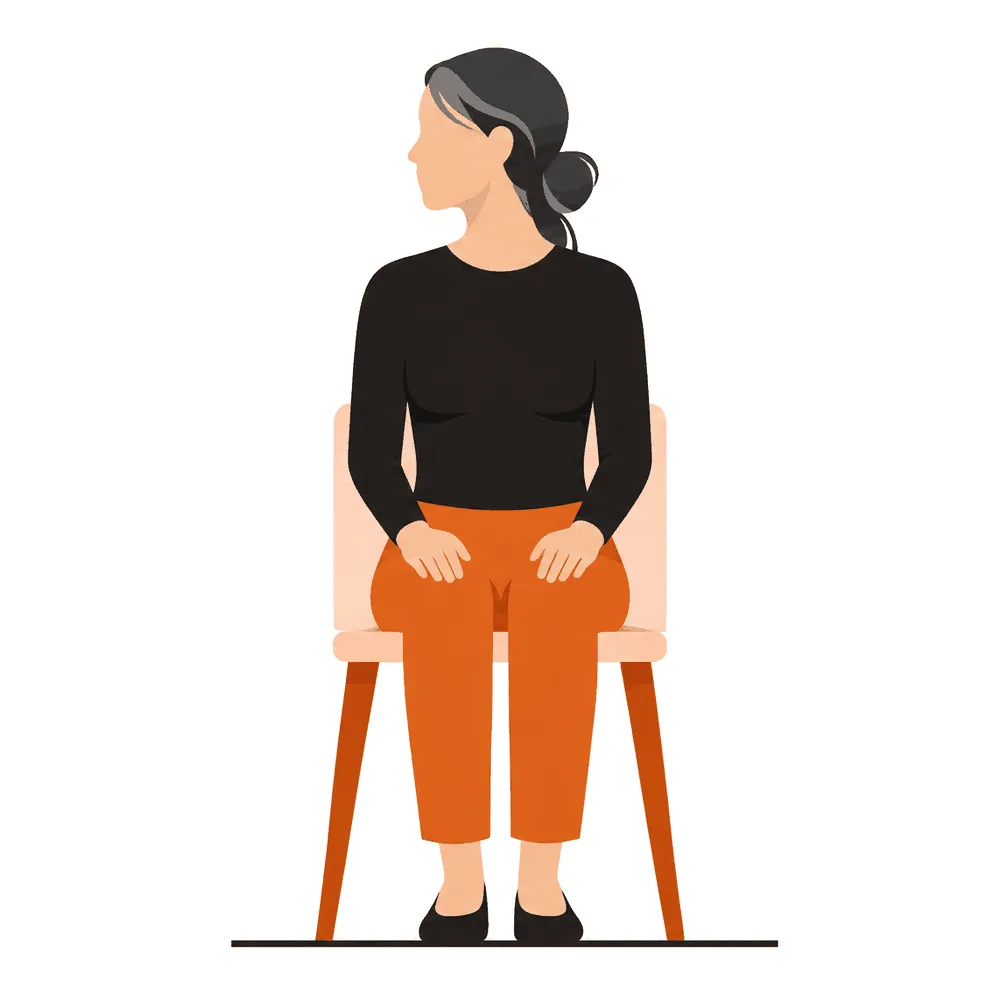
Gently moves your neck from side to side.
Time: About 1 minuteLevel: Gentle Can be done sitting
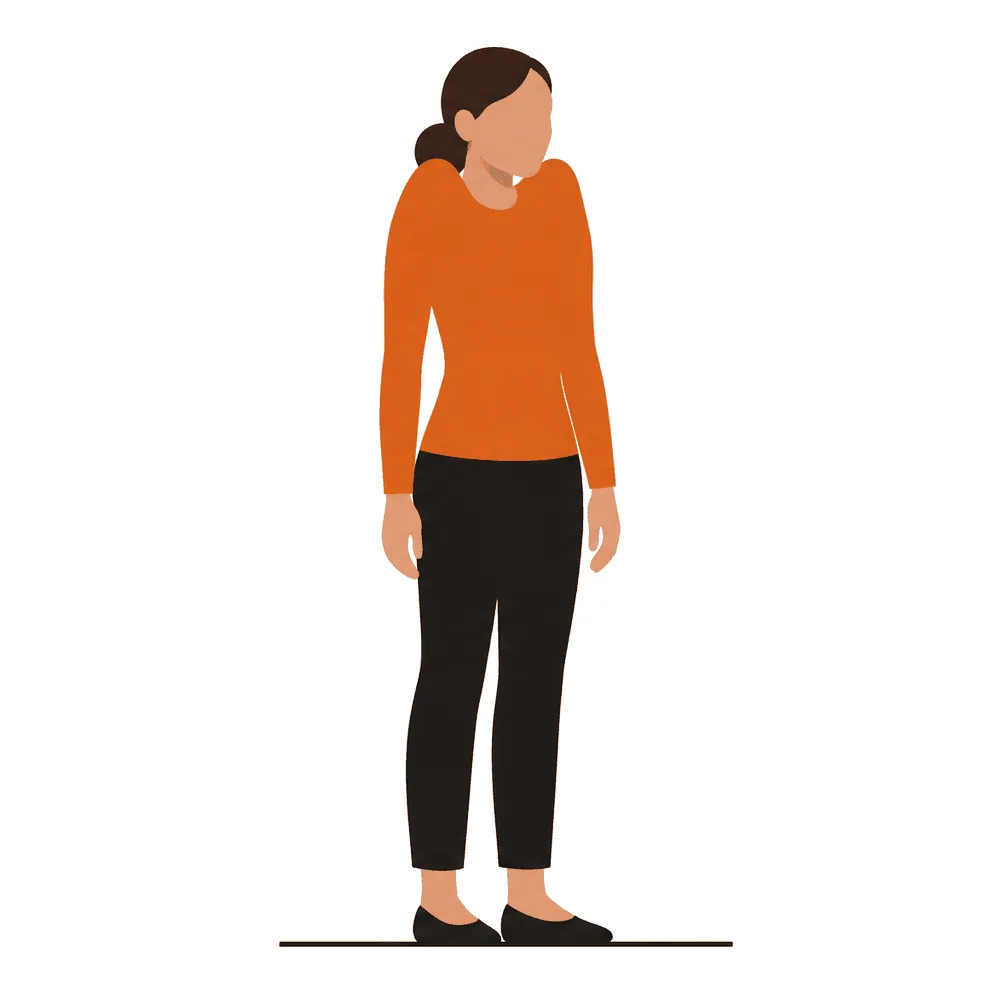
Loosens your shoulders and upper back.
Time: About 1 minuteLevel: Gentle Can be done sitting
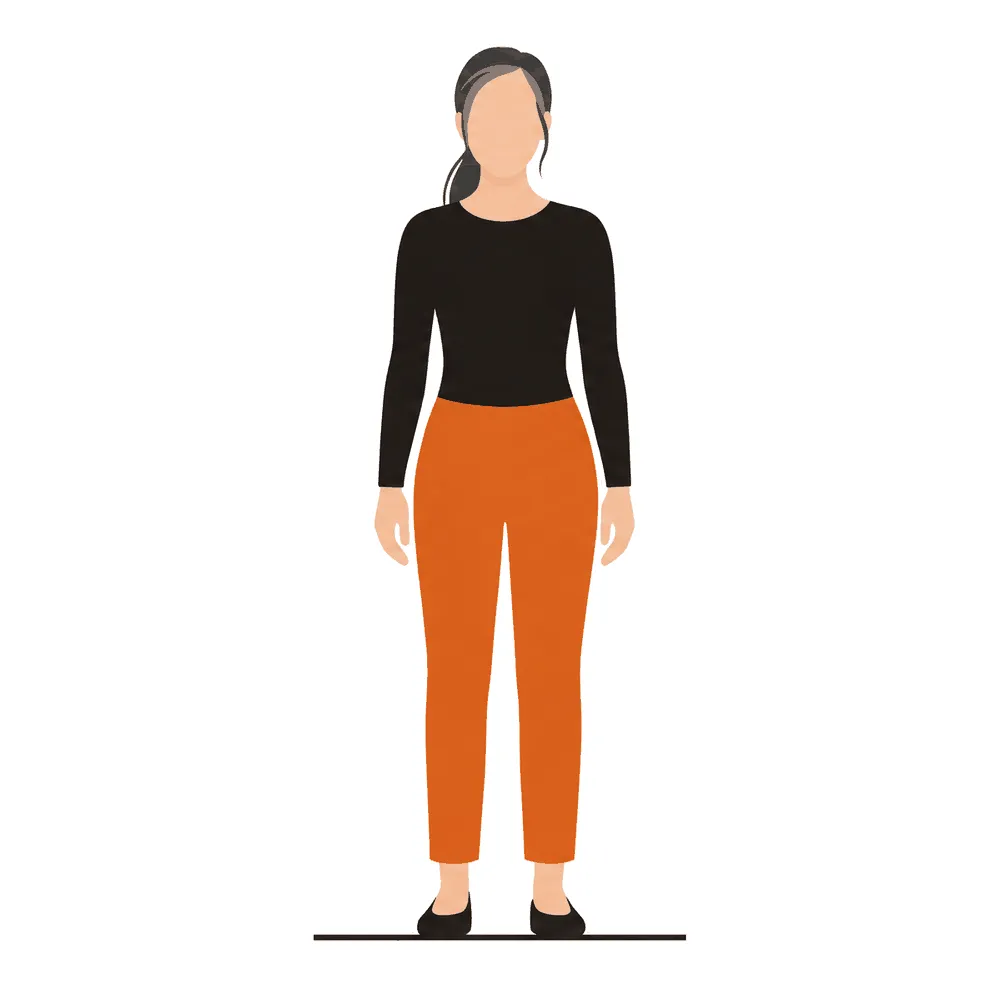
Stretches the front of your chest and shoulders.
Time: About 1 minuteLevel: Gentle Can be done sitting
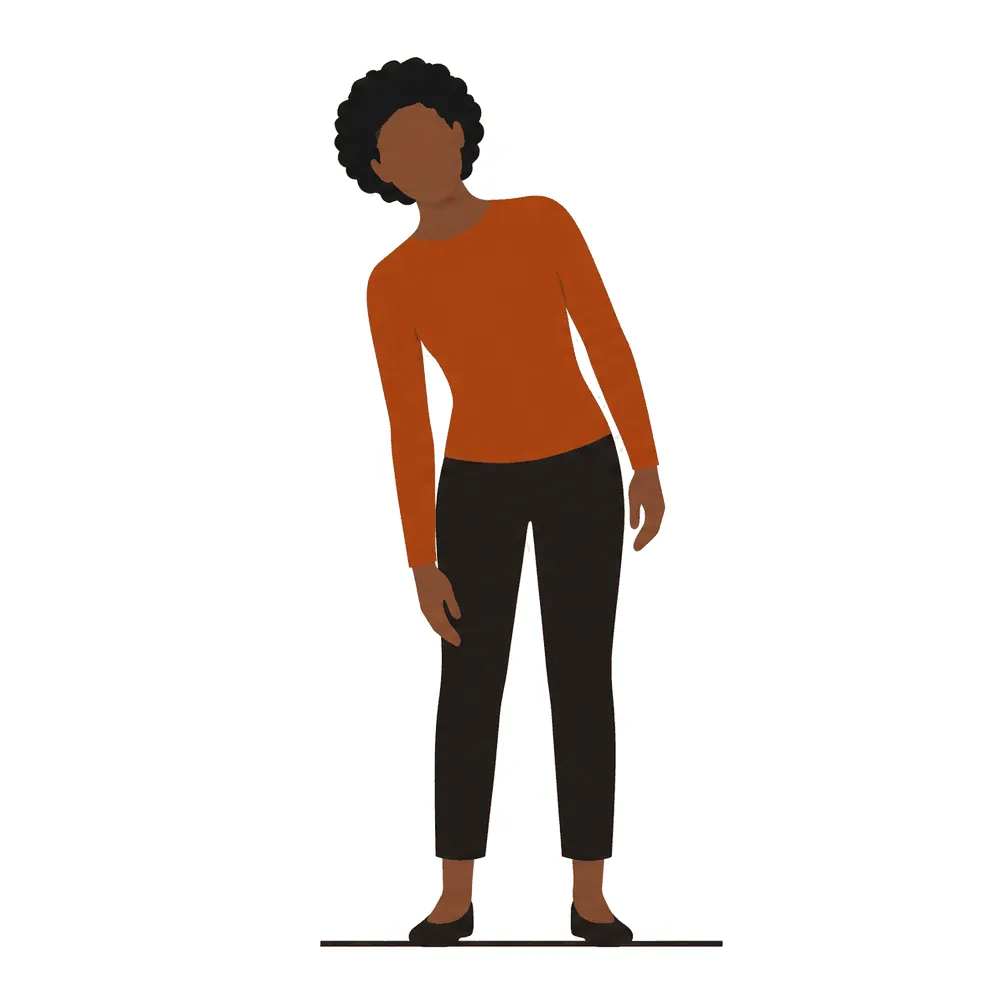
If stress makes it hard to cope, talk to a doctor, a health worker or someone you trust.
Someone to talk to:
If you or someone else is in danger right now, get help. In Norway, call 113 for an ambulance, or 112 for the police. In Poland, call 112 or 999. In Türkiye, call 112.
The World Health Organization has a free picture guide for hard times. It is called Doing What Matters in Times of Stress. You can read it in:
The guide is also in many other languages (opens in a new tab).