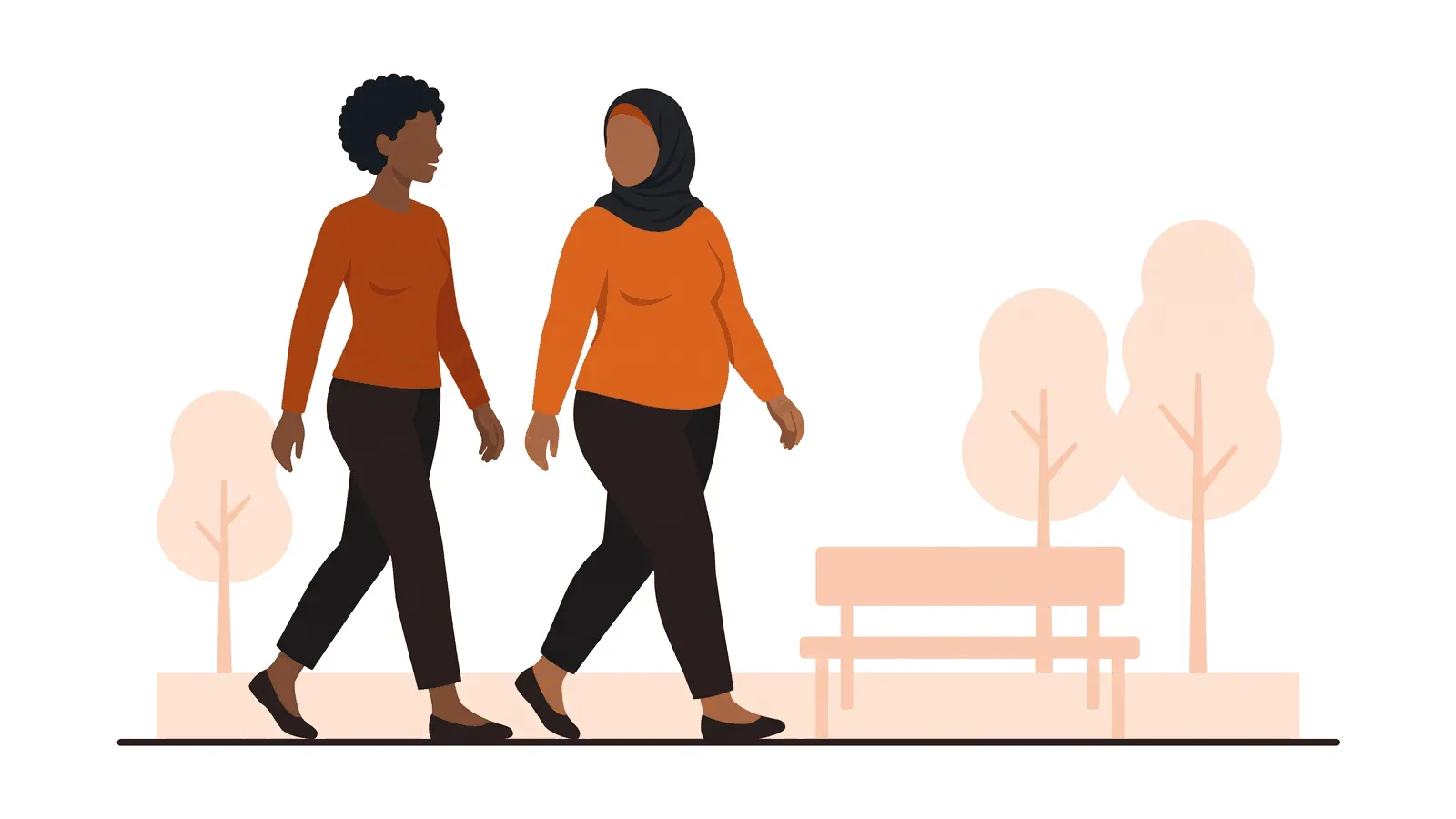
Brisk walk
An everyday way to be active. Brisk means you can talk, but not sing.
Time: 5 to 10 minutes in all, to startLevel: Moderate Can be done sitting
Display settings
Module 4 of 10
Gentle exercises for home, sitting or standing, with no special equipment, and how to warm up, cool down and stay safe.
Listen to this moduleAbout 9 minutes
Download MP3 (3.9 MB)This module helps you move more at home. You need no special equipment. A chair, a wall and a little floor space are enough.
There are four parts. You can start with any of them. Every exercise has an easier way, and most can be done sitting down.
Before you start, read how to stay safe.
Part 1 of 4
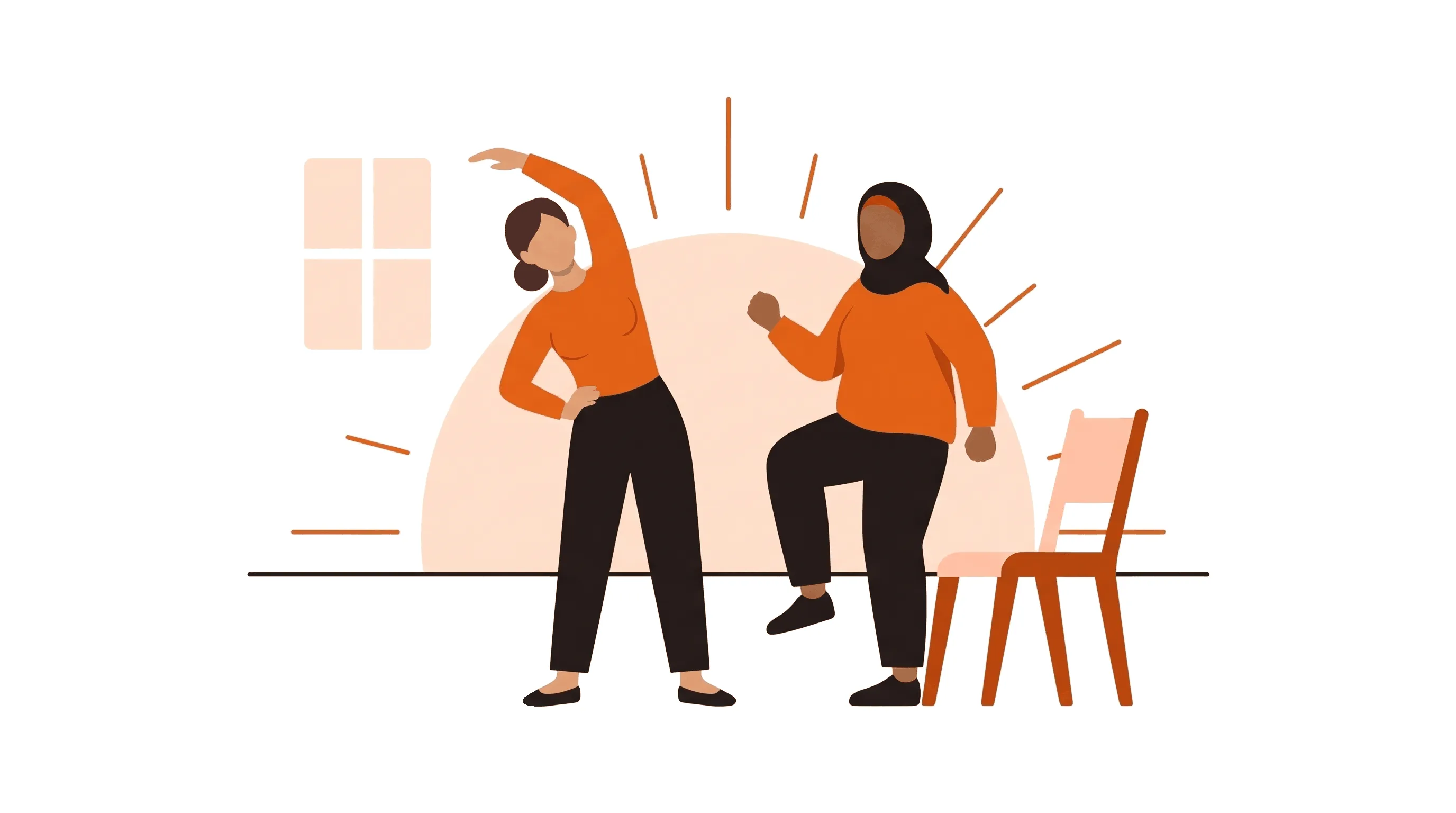
A warm-up gets your body ready to move. It also helps to prevent injury. A cool-down helps your heartbeat slow down gradually.
Each routine takes about 5 minutes. You can sit or stand for most of the moves.
Do each move for about 1 minute. If you finish the count on the card early, do it again. Start slowly and gently.
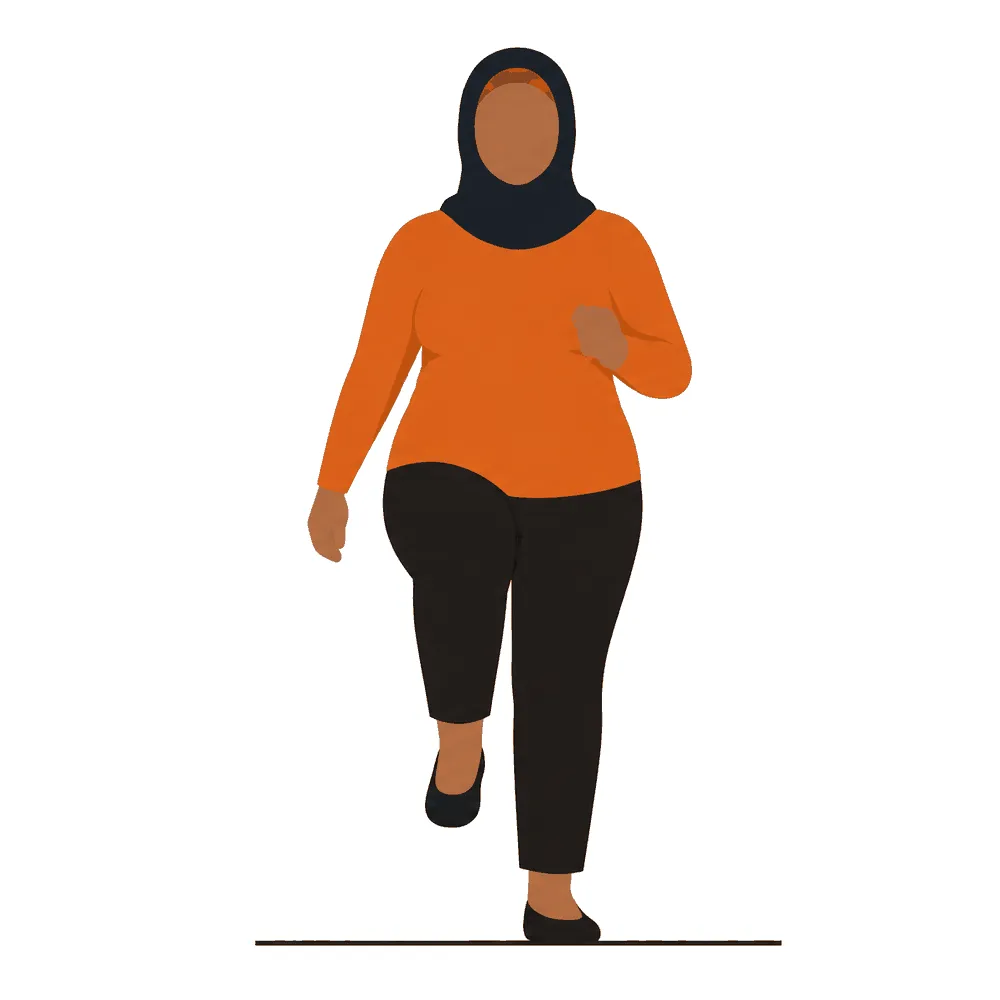
1 to 2 minutesCan be done sitting
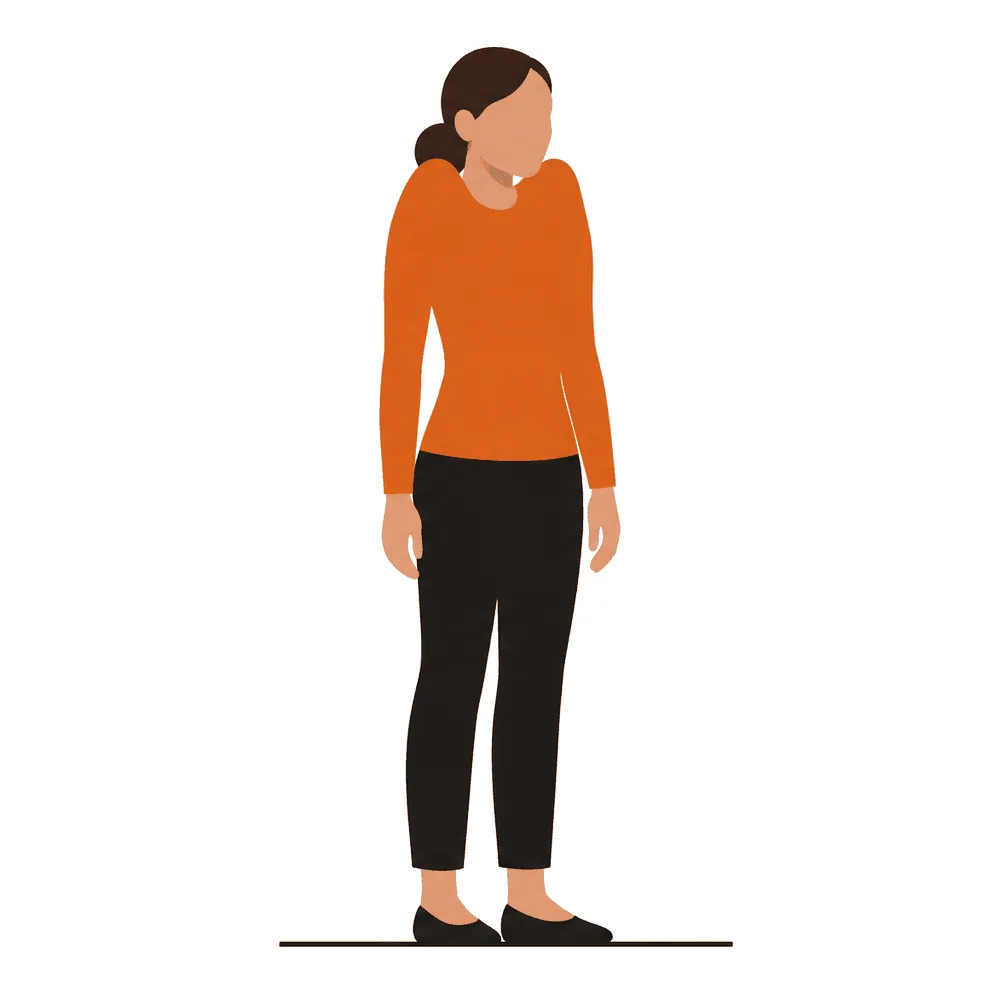
About 1 minuteCan be done sitting
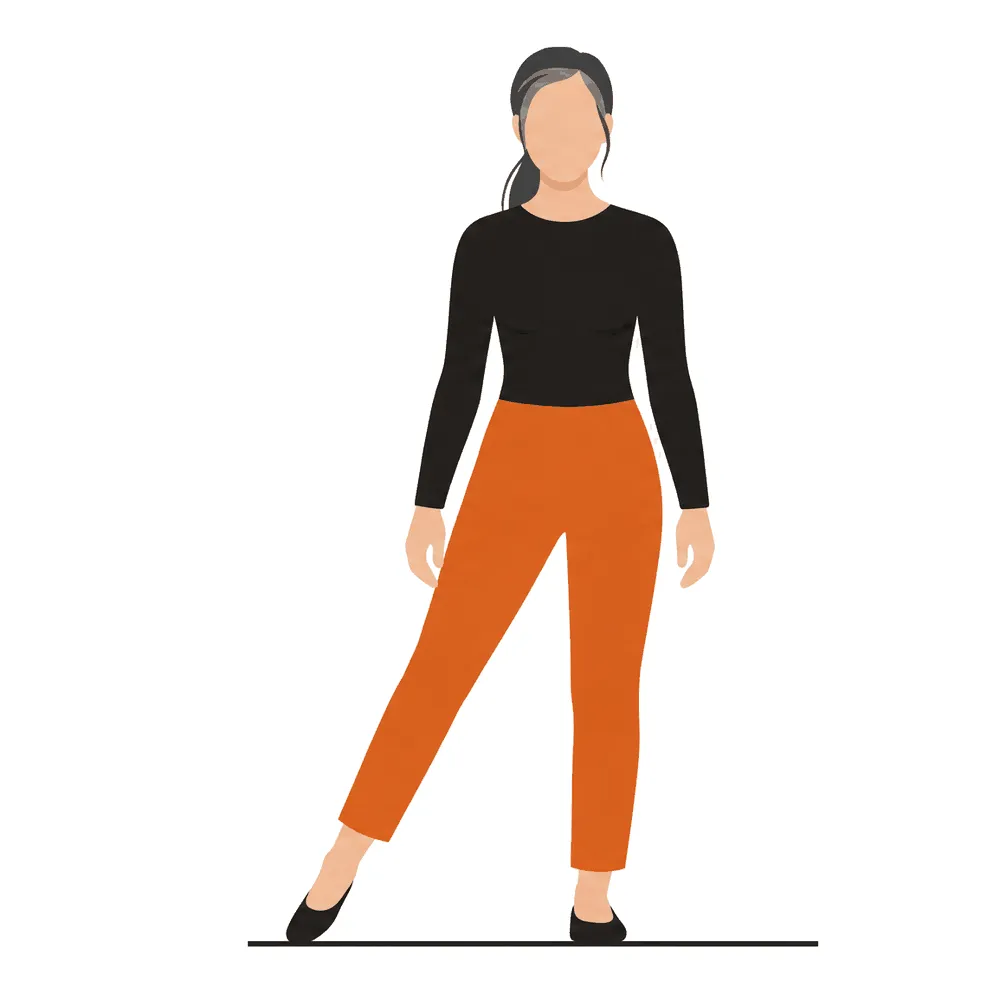
About 1 minuteCan be done sitting
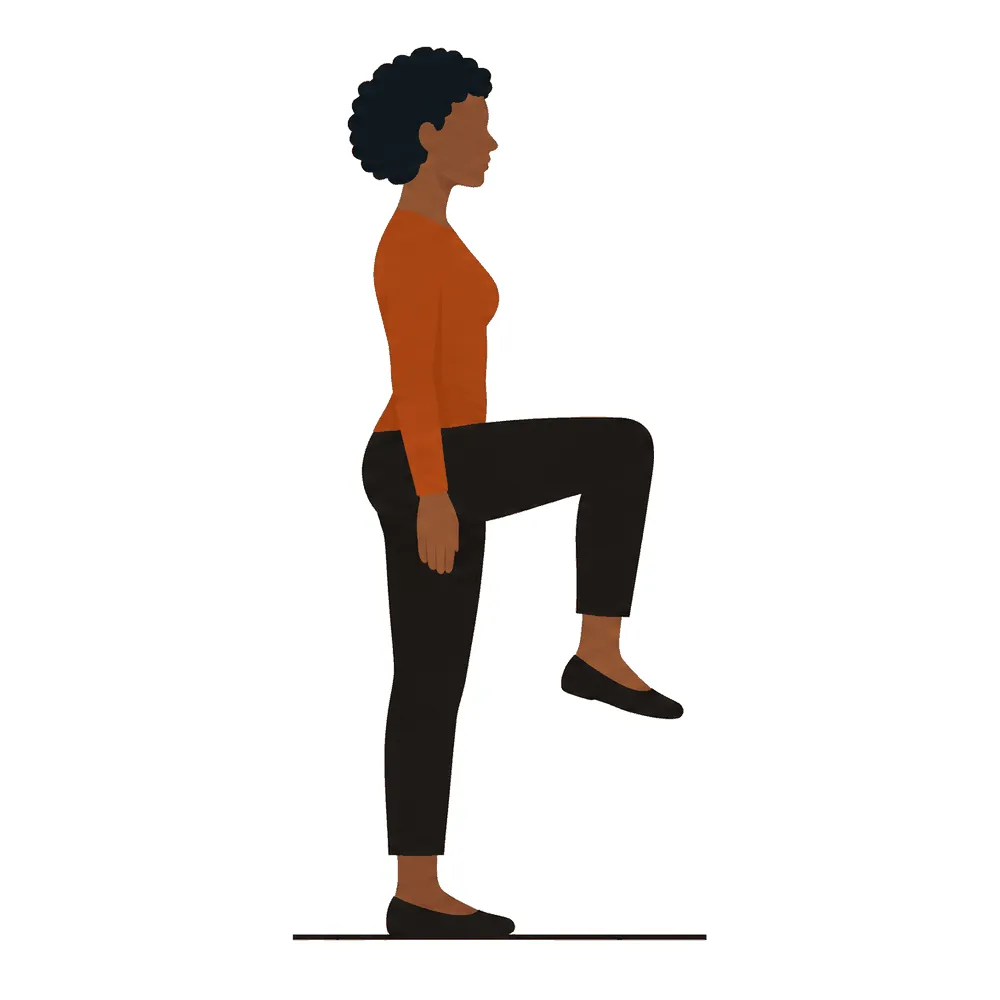
About 1 minuteCan be done sitting
Finish with 1 more minute of marching on the spot. Now you are ready.
Watch or listen: Warm-up routine
When you finish exercising, slow down gently. Do not stop all at once.
1 to 2 minutesCan be done sitting
Slowly. Let your pace drop for about 1 minute.
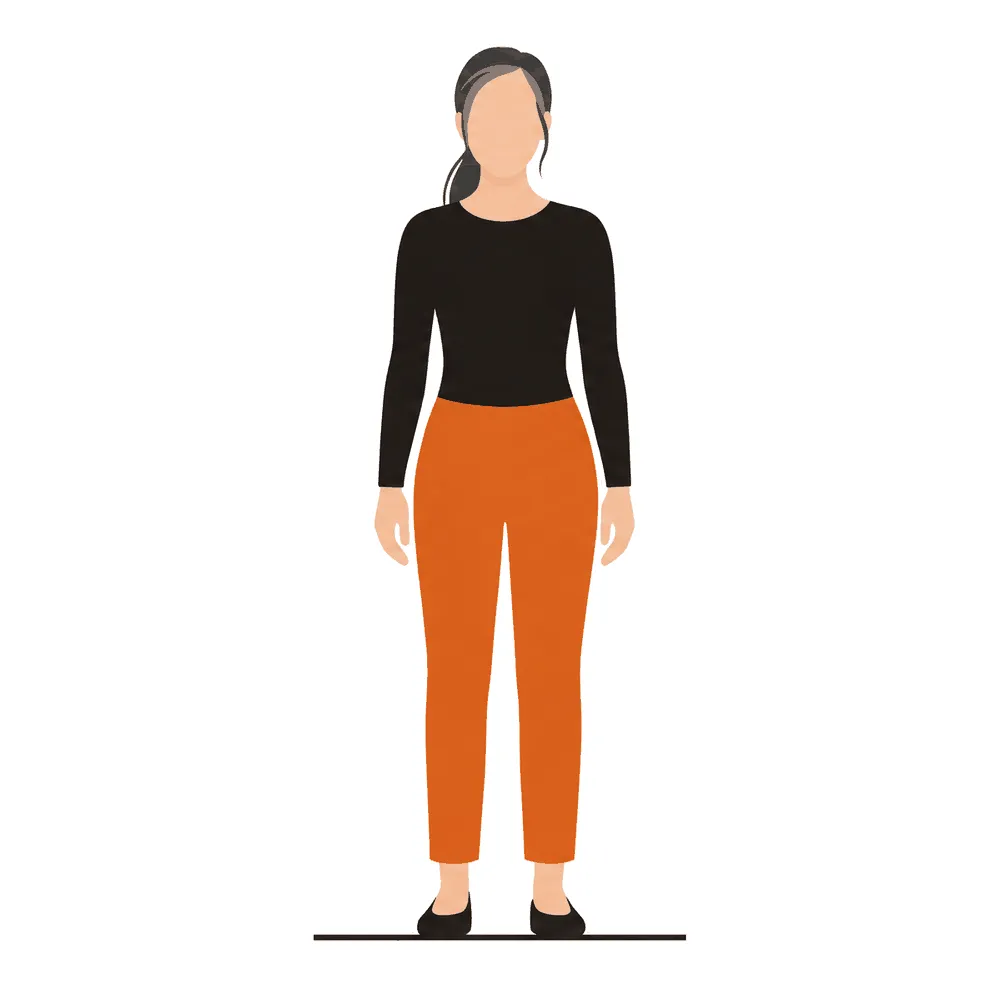
About 1 minuteCan be done sitting
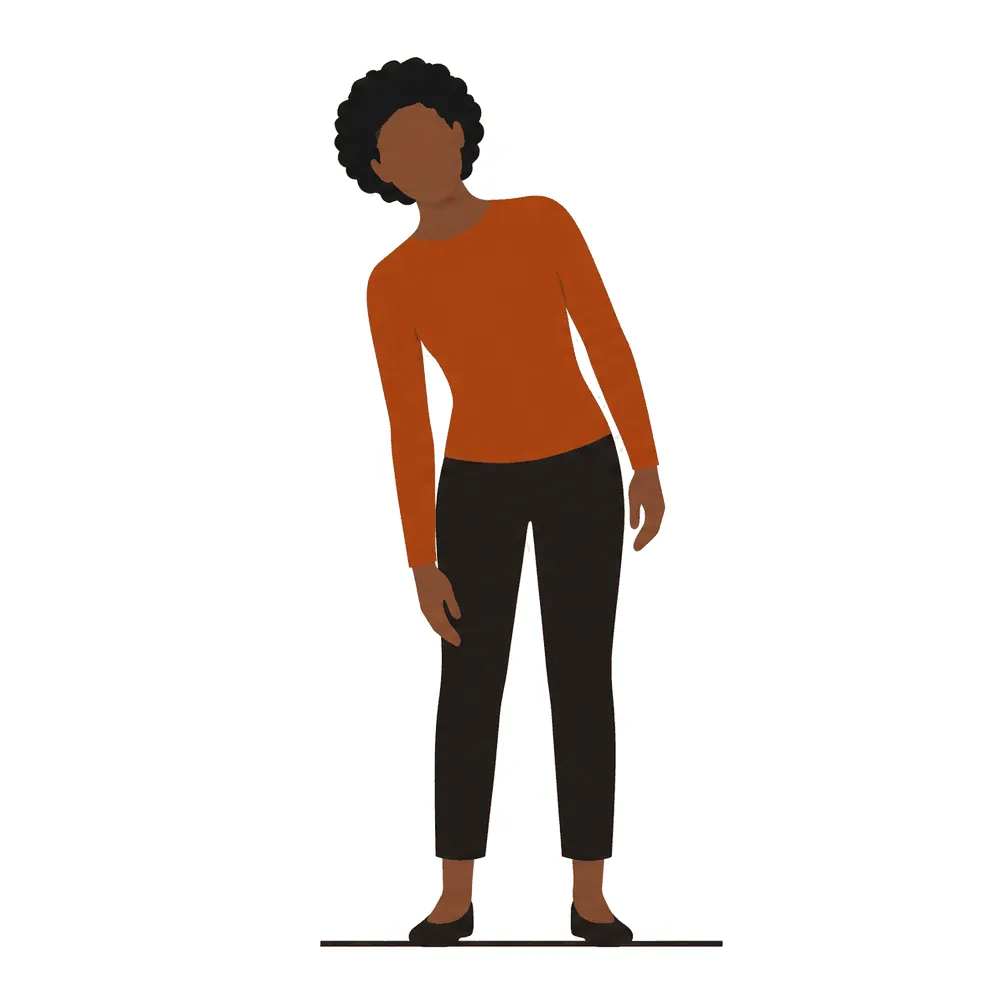
About 1 minuteCan be done sitting
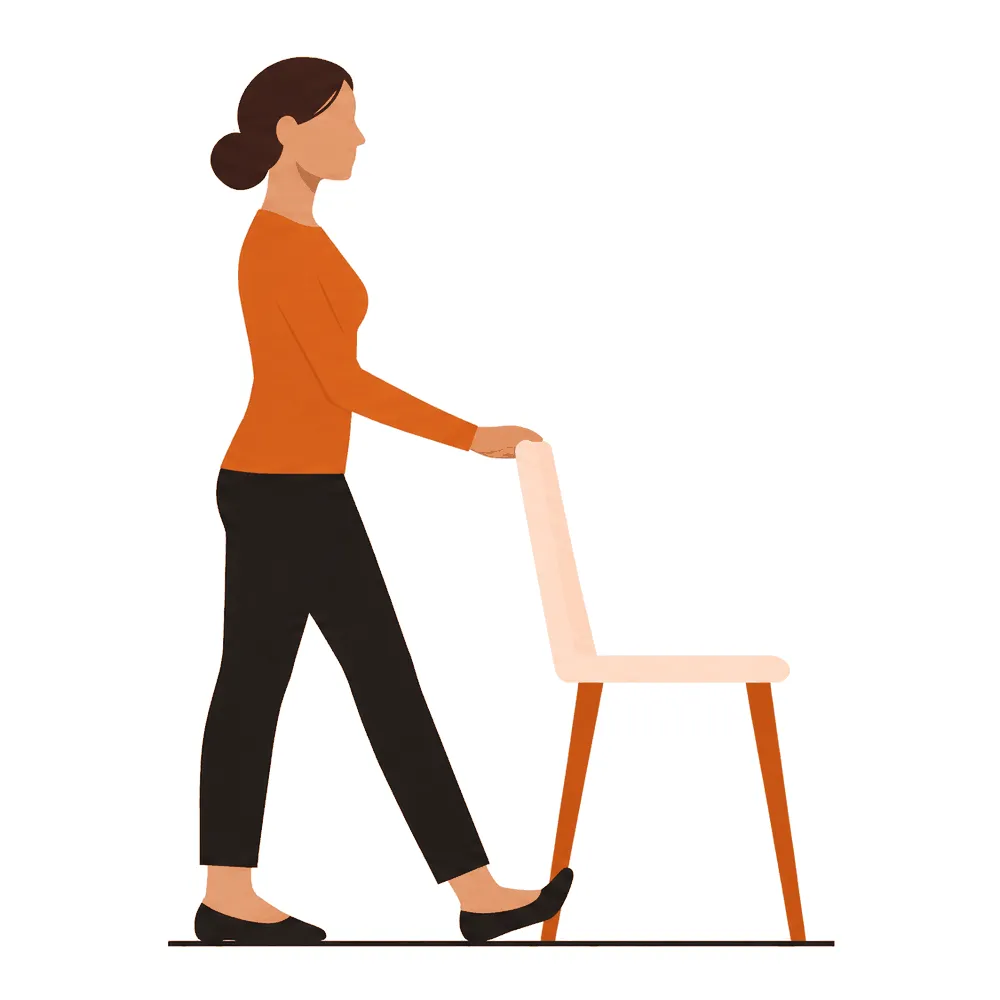
About 1 minuteCan be done sitting
After a walk, add the calf stretch.
Then sit quietly and try the one-minute pause.
Watch or listen: Cool-down routine
Part 2 of 4
These exercises are gentle. You can do them in a small space. You do not need special clothes or equipment.
Pick one or two to start. You do not need to do them all. Do a few, and add a little more each week.
Try to do exercises that make your muscles stronger on 2 or more days a week.
An everyday way to be active. Brisk means you can talk, but not sing.
Time: 5 to 10 minutes in all, to startLevel: Moderate Can be done sitting
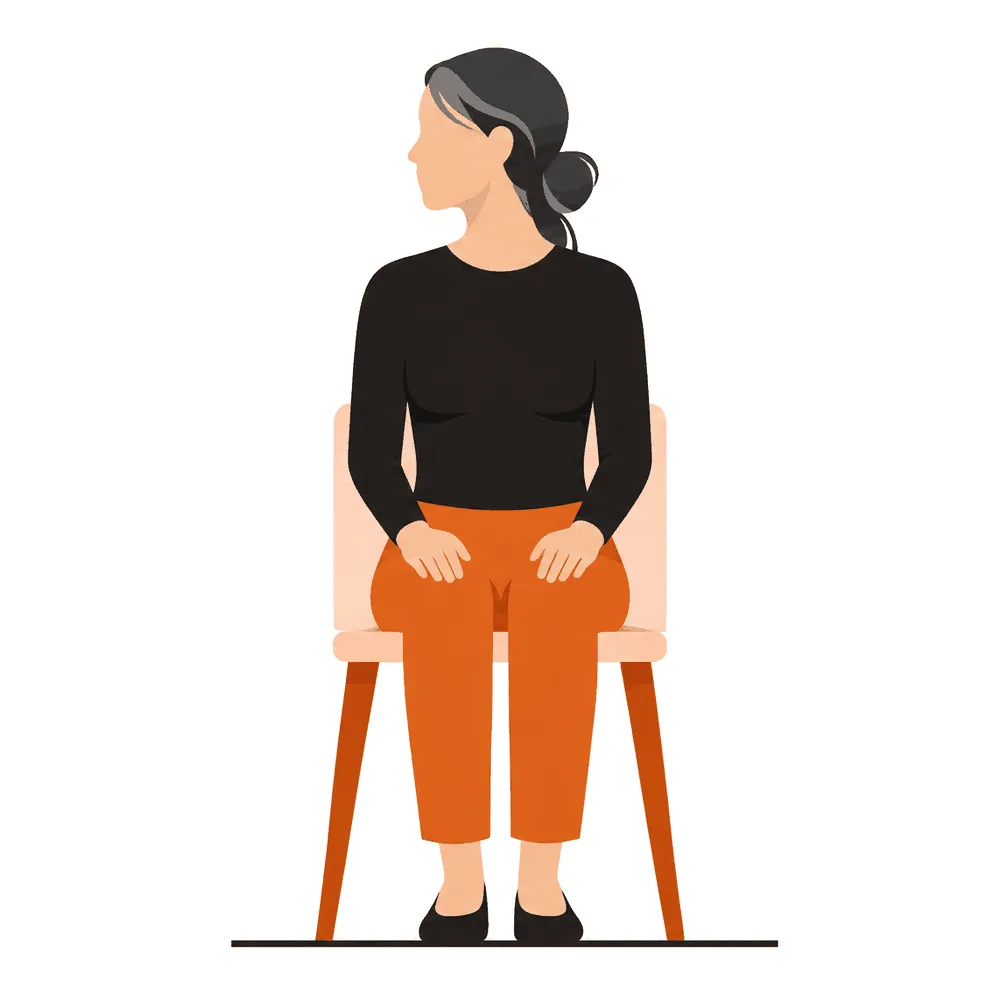
Gently moves your neck from side to side.
Time: About 1 minuteLevel: Gentle Can be done sitting
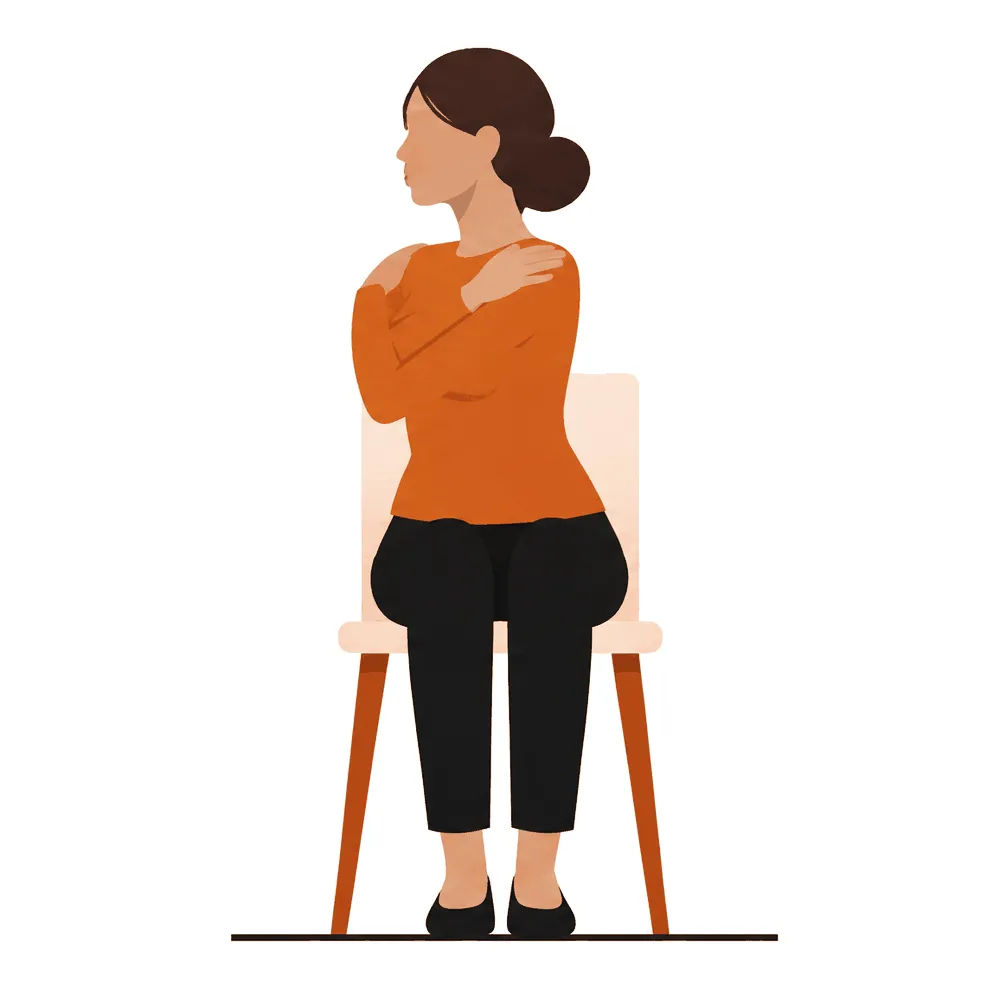
Gently turns your upper back and waist.
Time: About 1 minuteLevel: Gentle Can be done sitting
Stretches the front of your chest and shoulders.
Time: About 1 minuteLevel: Gentle Can be done sitting
Stretches the back of your thigh.
Time: About 1 minuteLevel: Gentle Can be done sitting
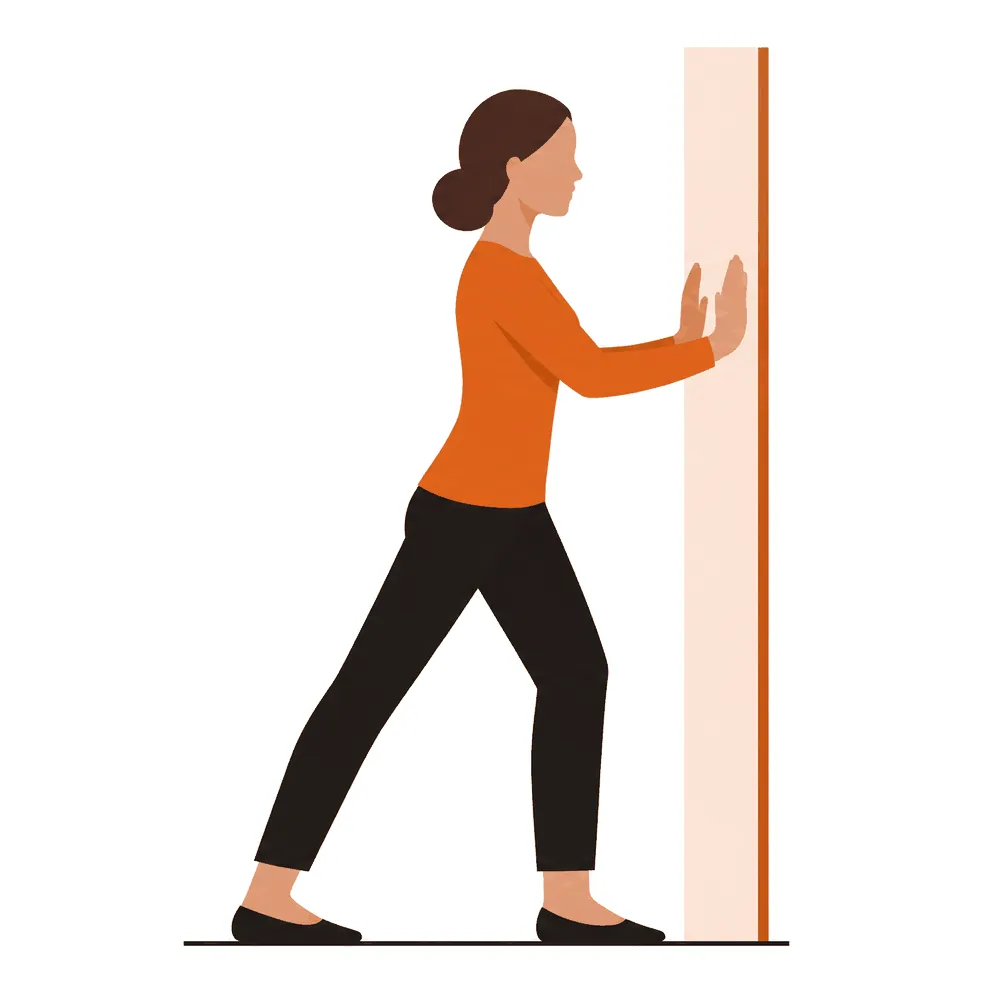
Stretches the back of your lower leg. Good after a walk.
Time: About 2 minutesLevel: Gentle
Watch or listen: Gentle stretching
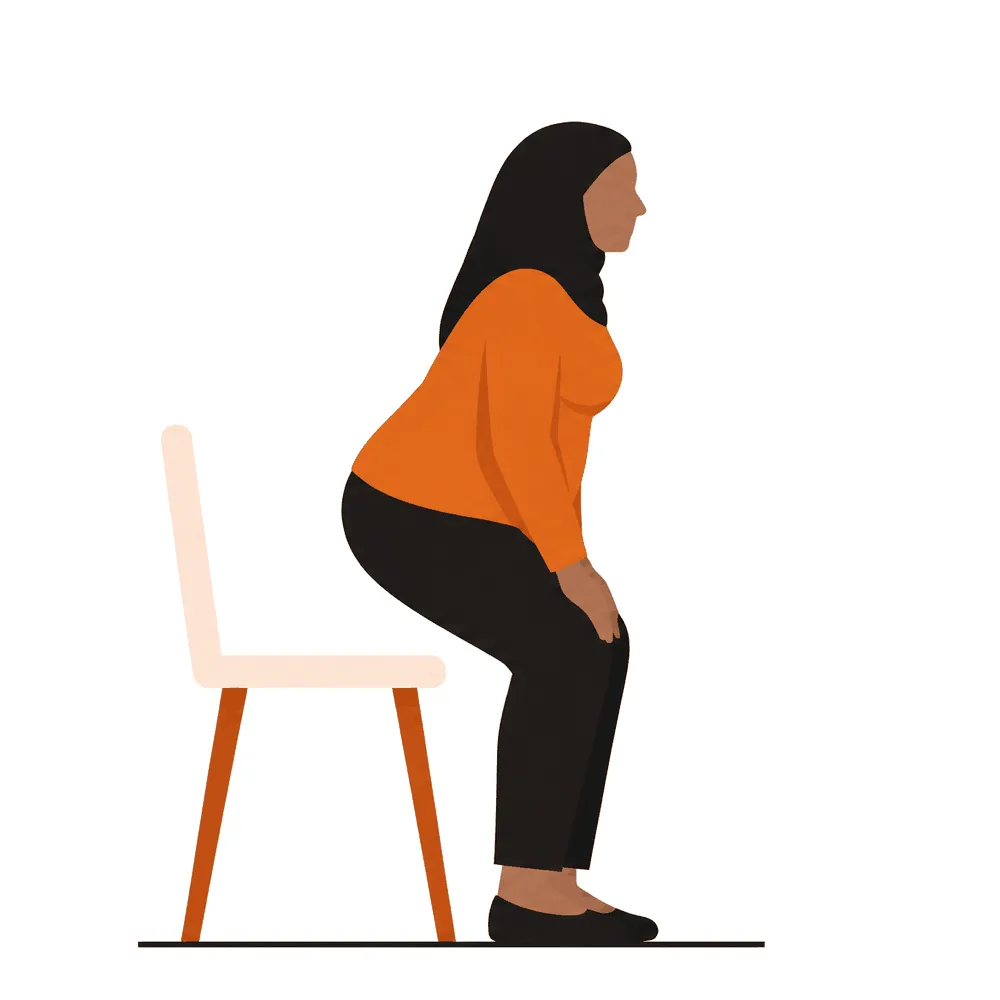
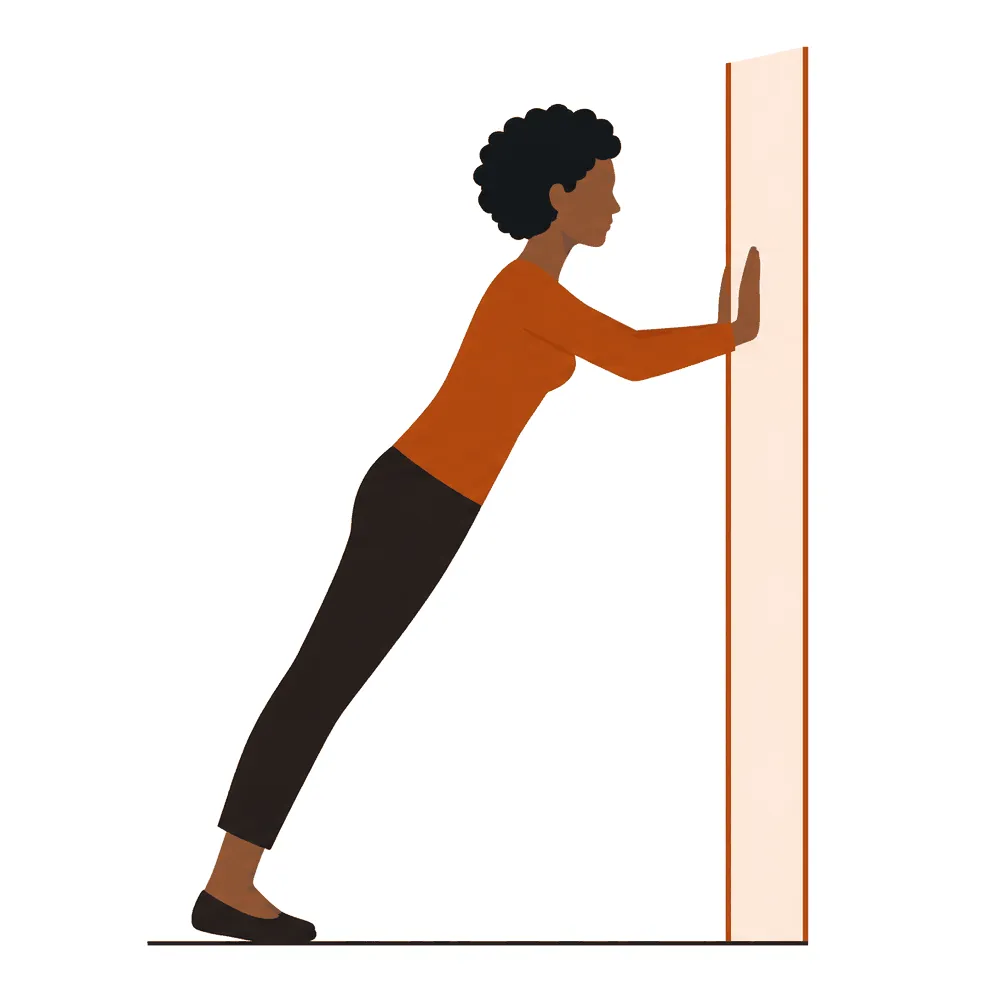
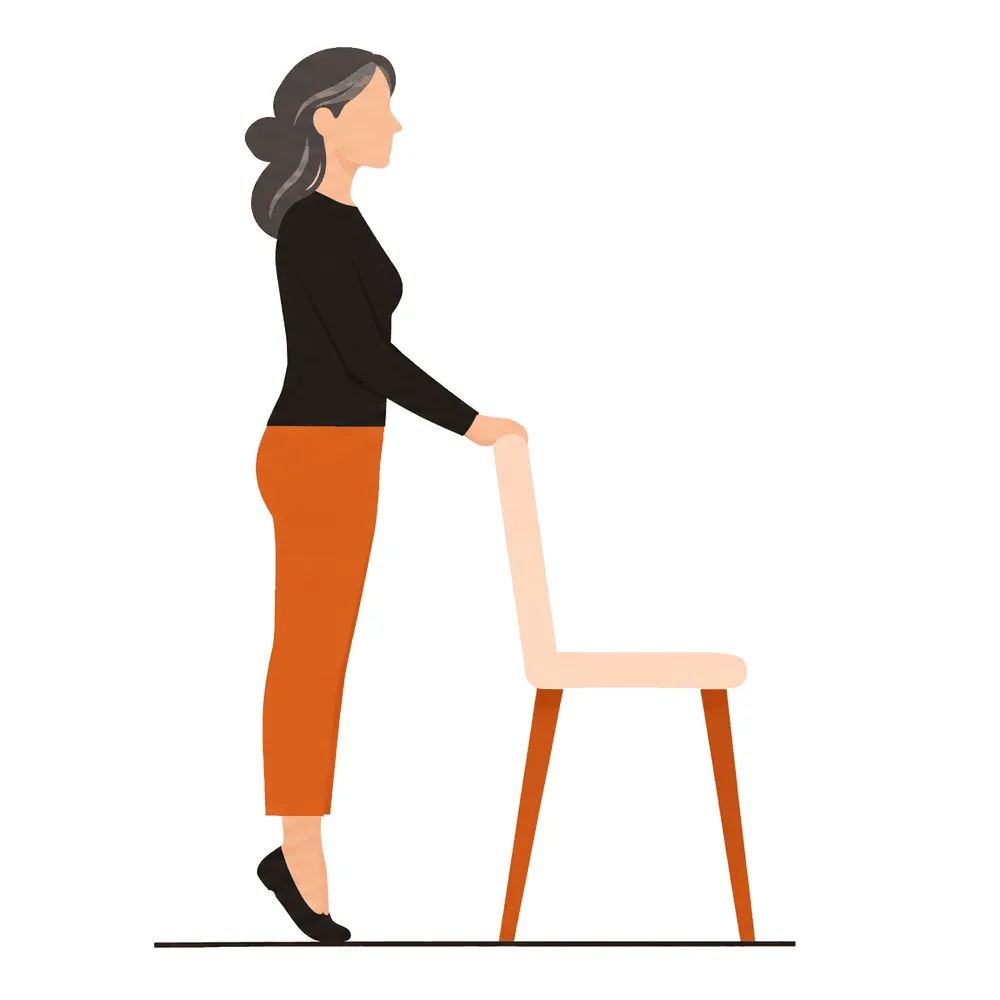
Works the muscles in your lower legs.
Time: About 1 minuteLevel: Gentle Can be done sitting
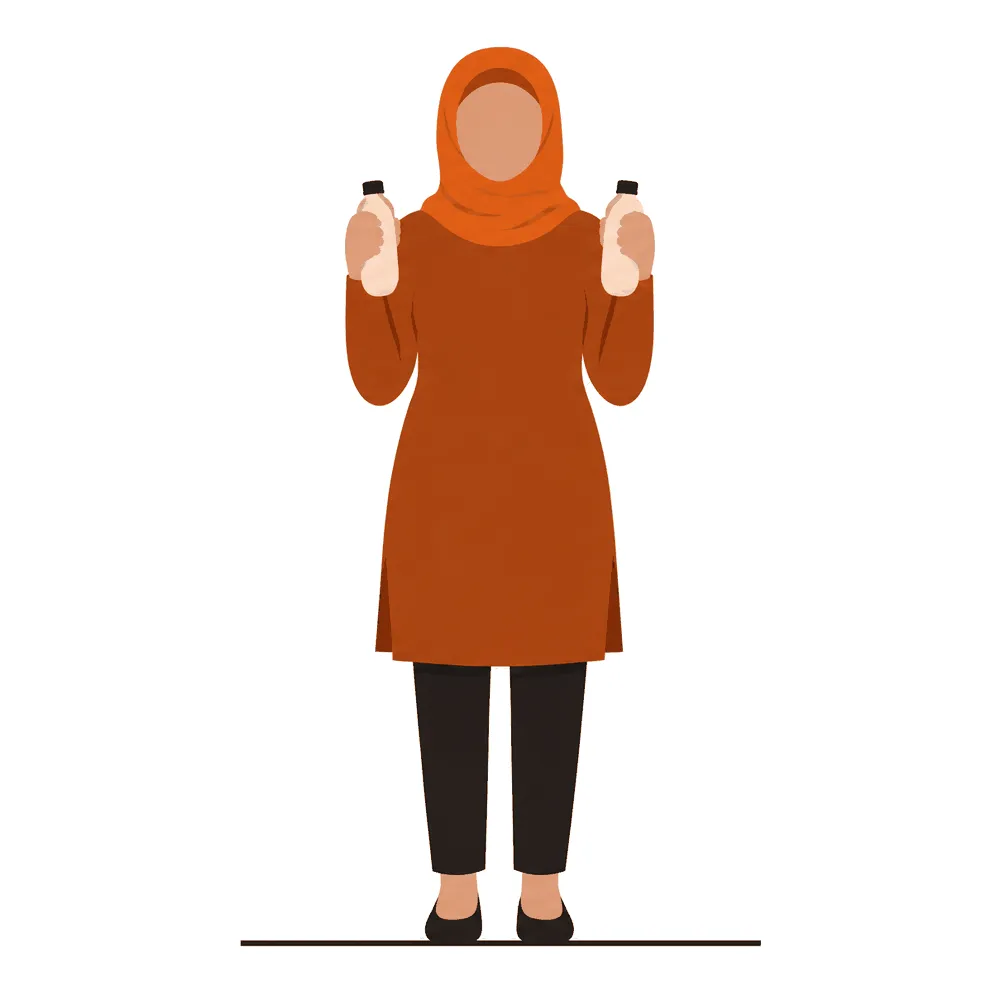
Works the muscles in the front of your arms.
Time: About 1 minuteLevel: Gentle Can be done sitting
Watch or listen: Simple strength
Do these next to a wall or a chair without wheels, so you can hold on.
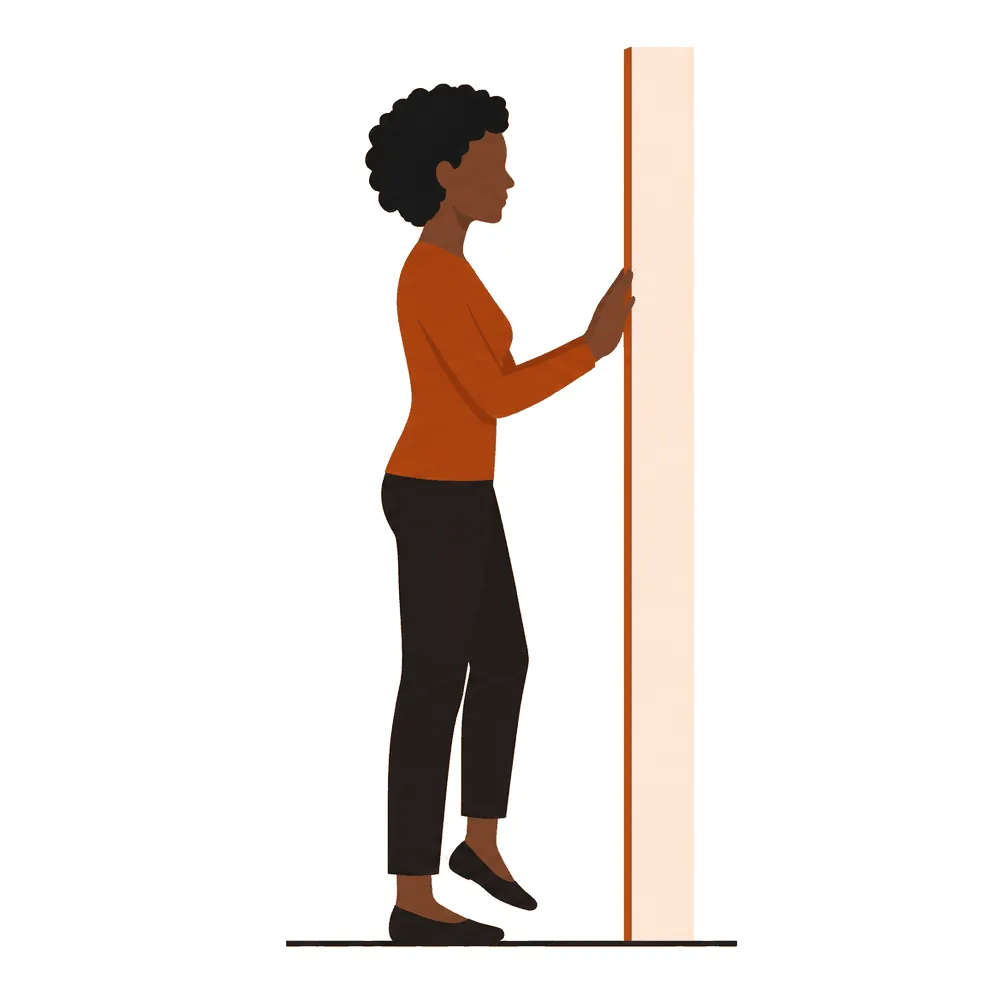
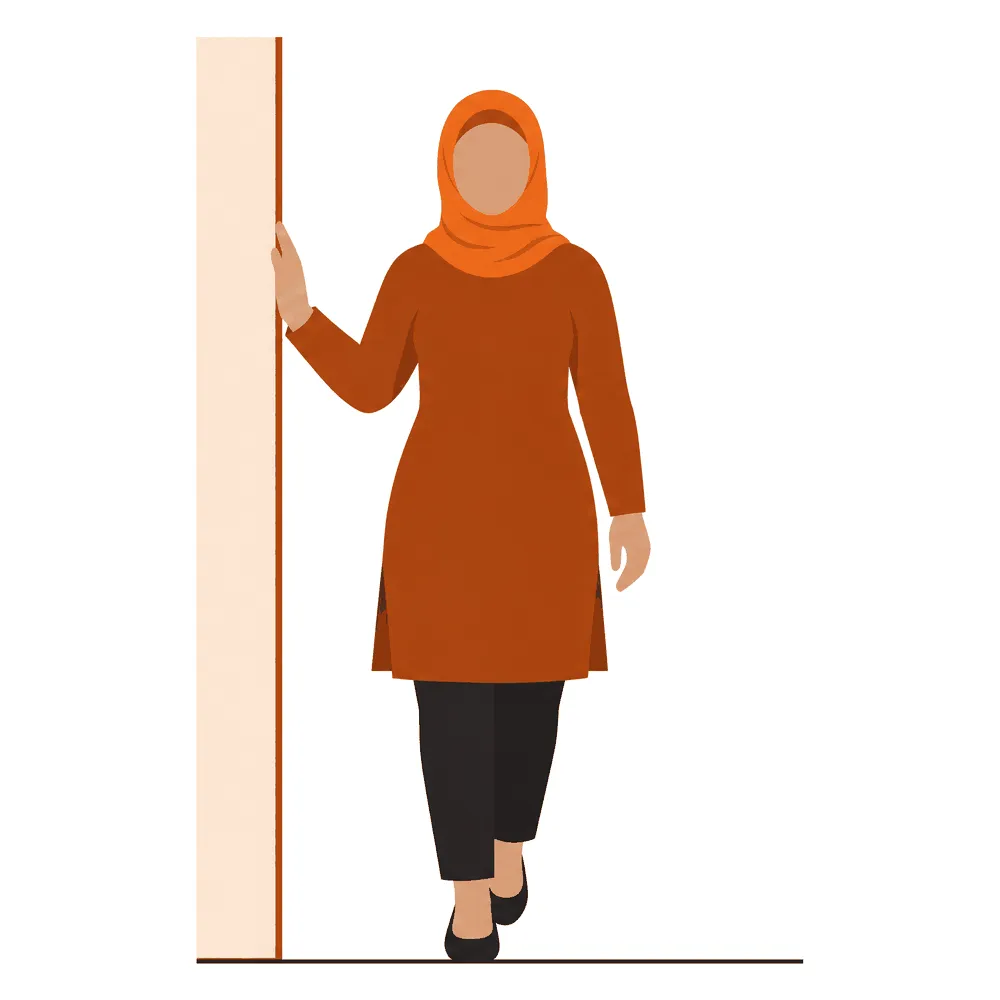
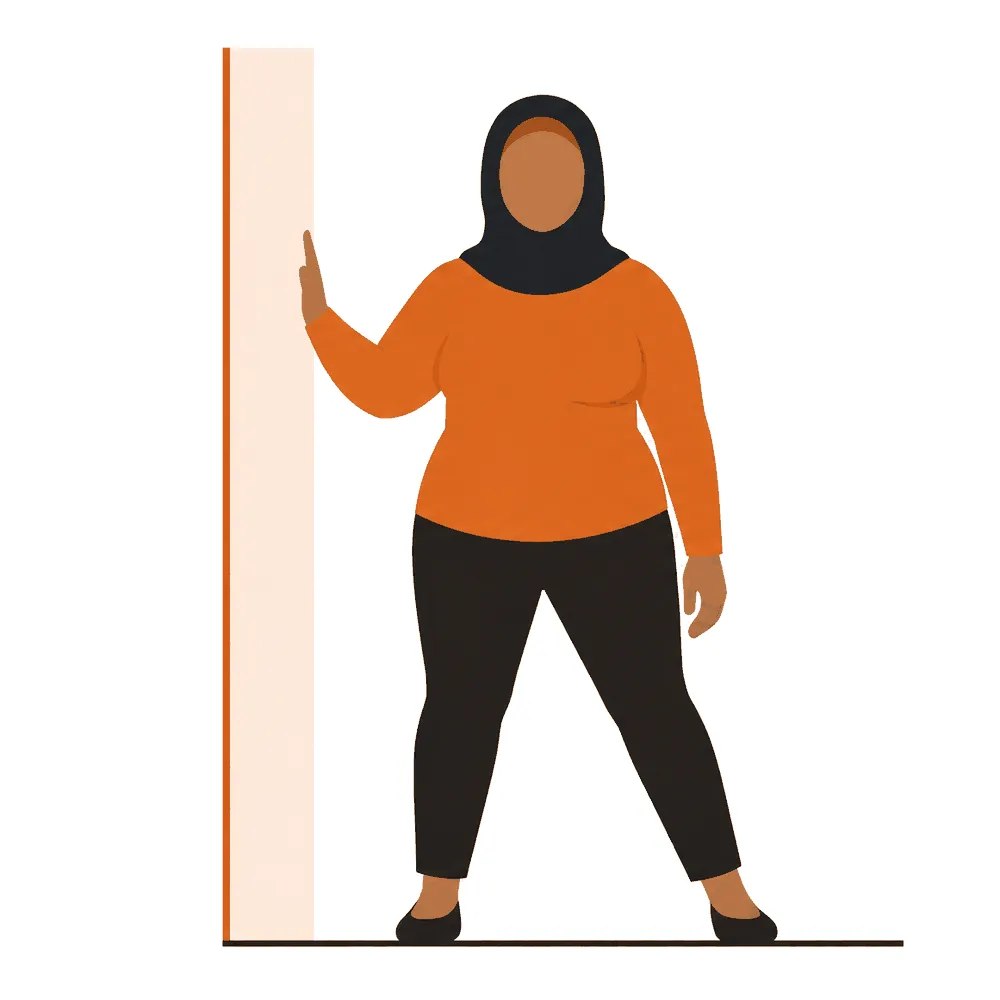
Watch or listen: Balance
Part 3 of 4
Dancing to music is a good way to move. You can use the dances and songs you already know. Everyday things count too, like a walk with a friend or games with children.
You can make any dance gentle:
You can dance alone at home, or with other women. You do not need to hold hands.
Here are three ideas to start. Each one is inspired by a dance that people do together in a group.
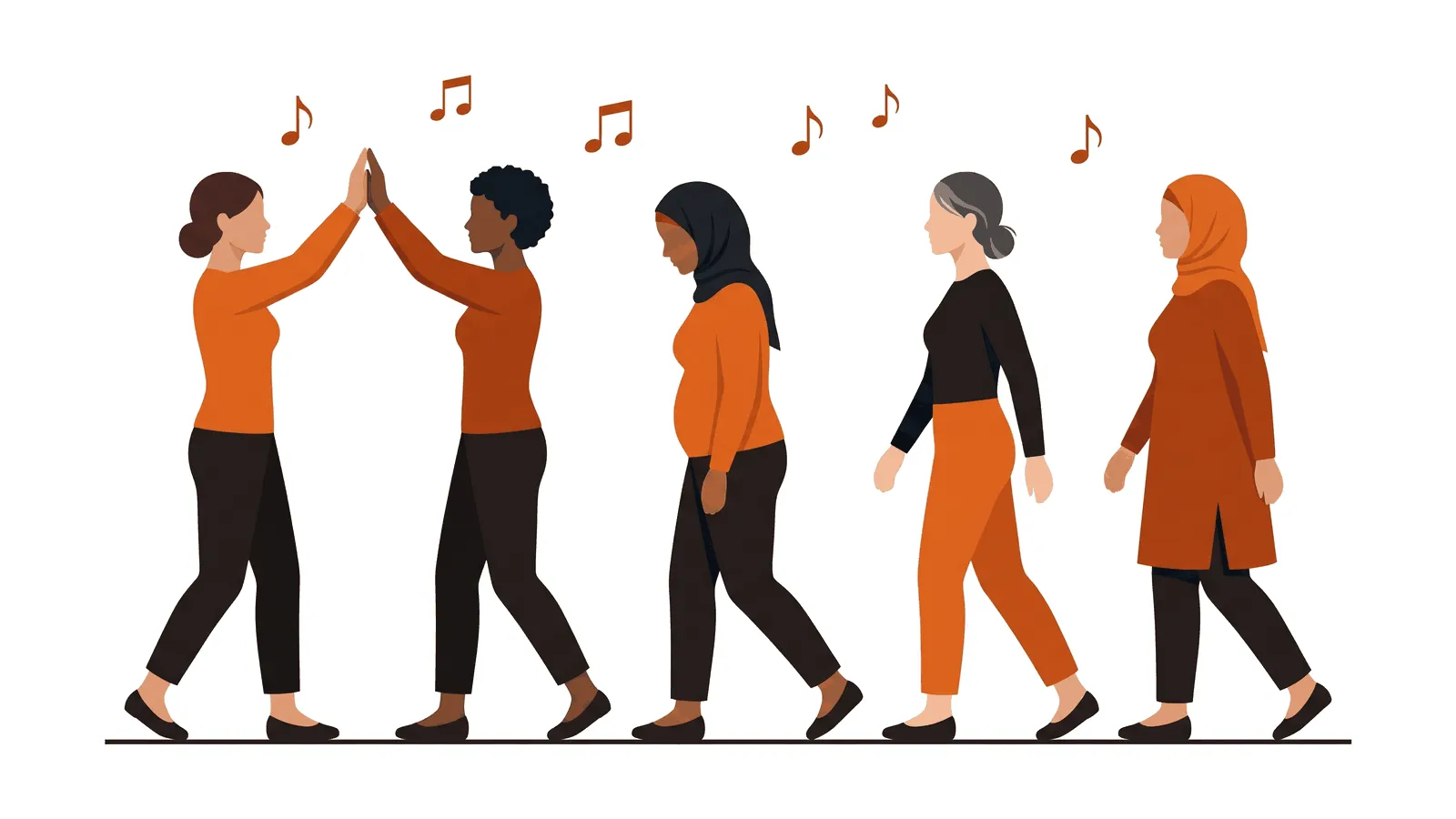
A slow walking dance, inspired by the Polish polonaise.
Time: 2 to 5 minutesLevel: Gentle Can be done sitting
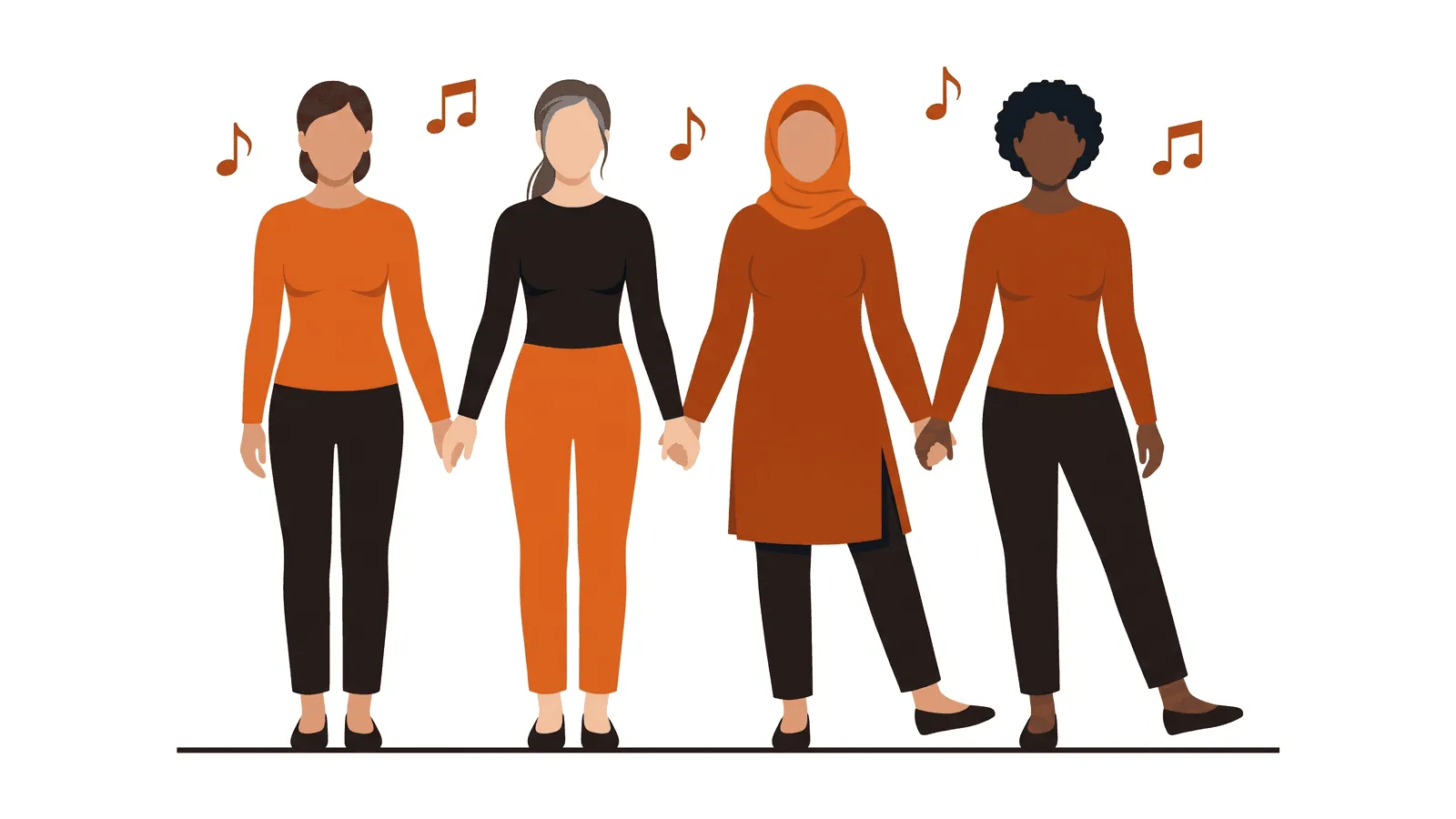
A side-step dance, inspired by halay and dabke.
Time: 2 to 5 minutesLevel: Gentle Can be done sitting
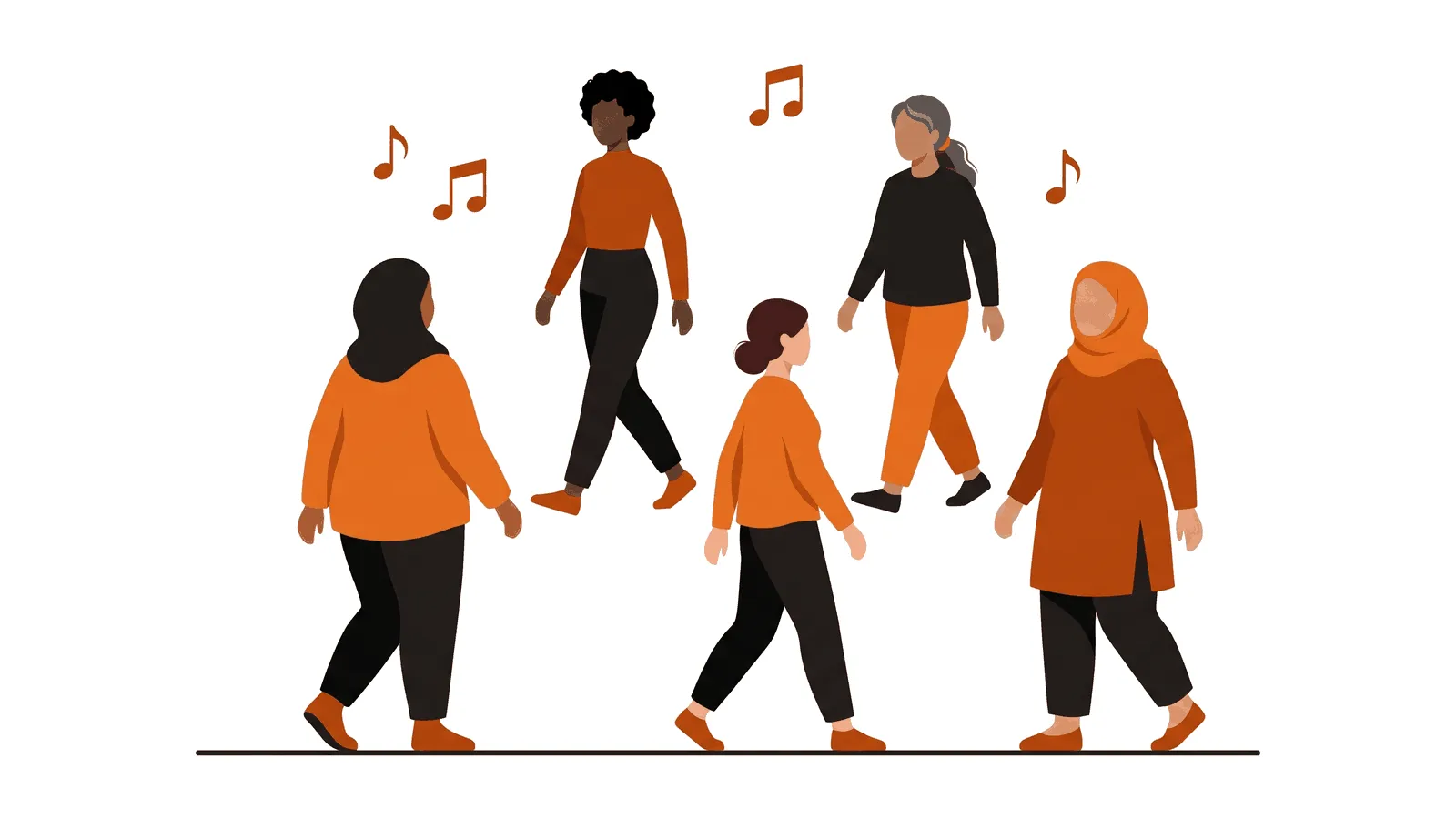
A slow walk in a circle while you sing, inspired by Norwegian and Ukrainian circle dances.
Time: 2 to 5 minutesLevel: Gentle Can be done sitting
The procession walk is inspired by the Polish polonaise. It is not fast, so people with no experience can join in.
The side-step line is inspired by line dances such as halay and dabke. The singing ring is inspired by Norwegian song dances and Ukrainian spring circle dances.
Part 4 of 4
Most people can start moving safely if they start small. This part tells you how to keep it safe.
This is general information. It is not medical advice.
Start with a little. Do a bit more each week. Add one thing at a time: one more minute, one more repeat, or one more day.
When you move, it is normal to breathe faster and feel your heart beat faster. Use the talk test: you should still be able to talk. If you cannot talk, slow down or stop and rest.
Rest when you need to.
Each exercise shows an easier way. If it still does not feel right, stop. Choose a different exercise.
Sit down and rest. If chest pain, a racing heart or dizziness does not go away quickly, get urgent help now.
If any of these happened, talk to a health professional before you exercise again.
Talk to a health professional before you start, or before you do more, if:
A health professional can be your doctor, nurse, midwife or physiotherapist.
If you have a cold or a fever, wait until you feel better.
If you are pregnant or had a baby recently, being active is still good for you. Ask your midwife or doctor what is right for you.
Call the emergency number:
Do not drive yourself to hospital.